Fieldstone & Colonial Walls

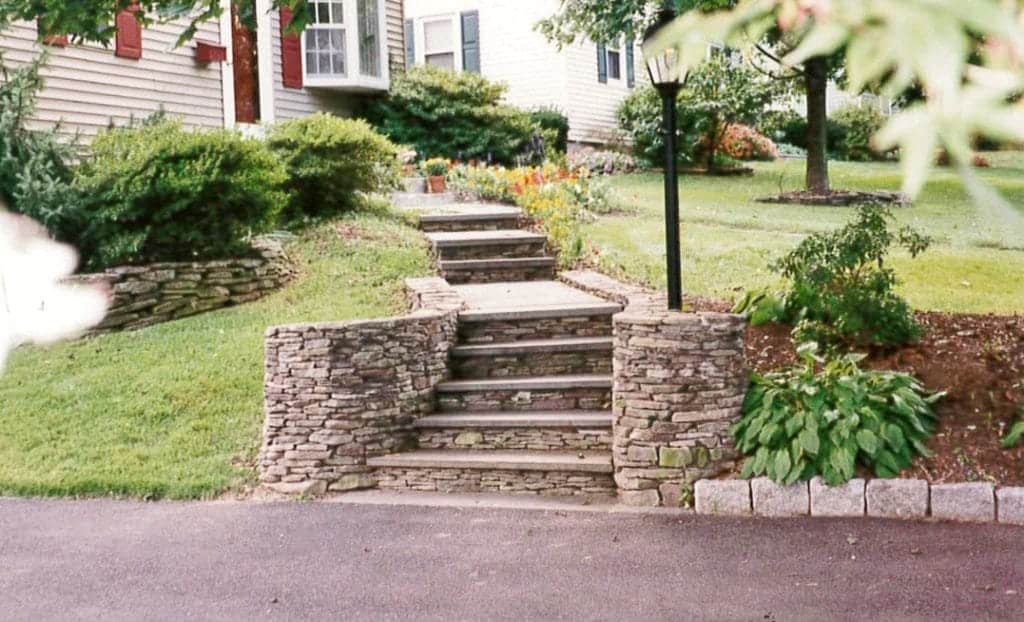
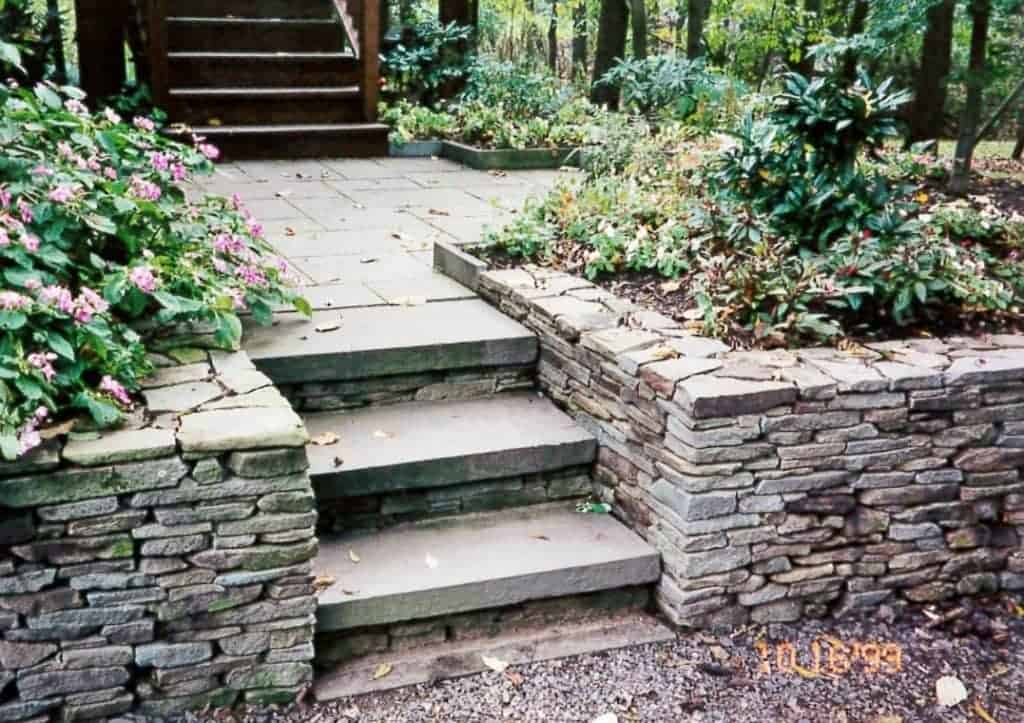
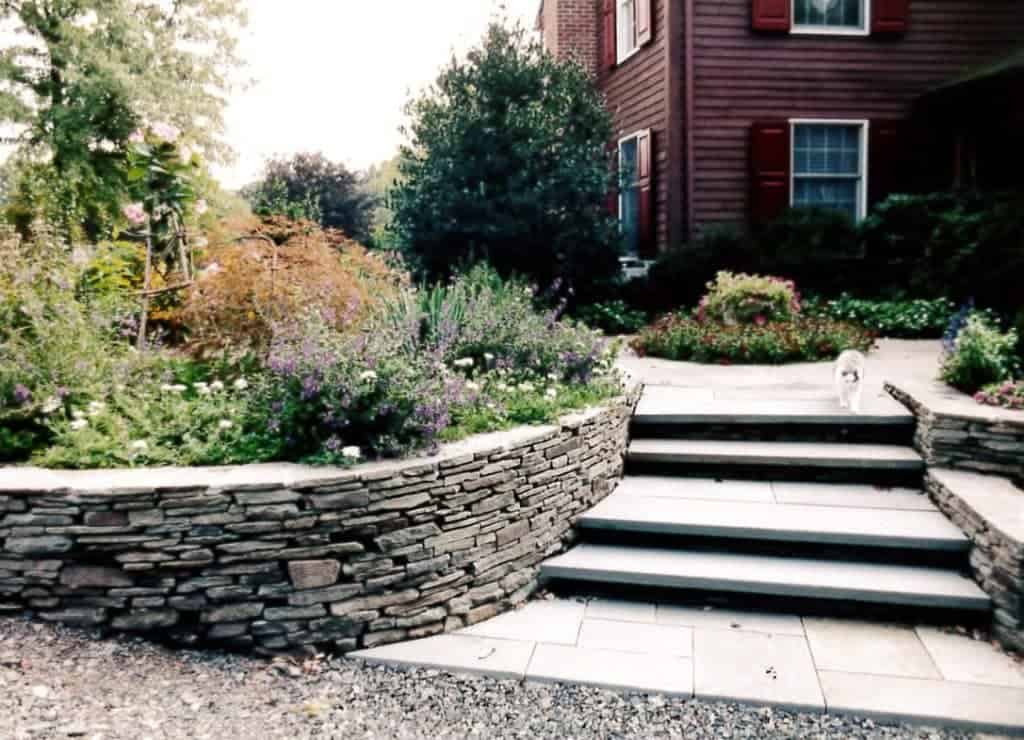
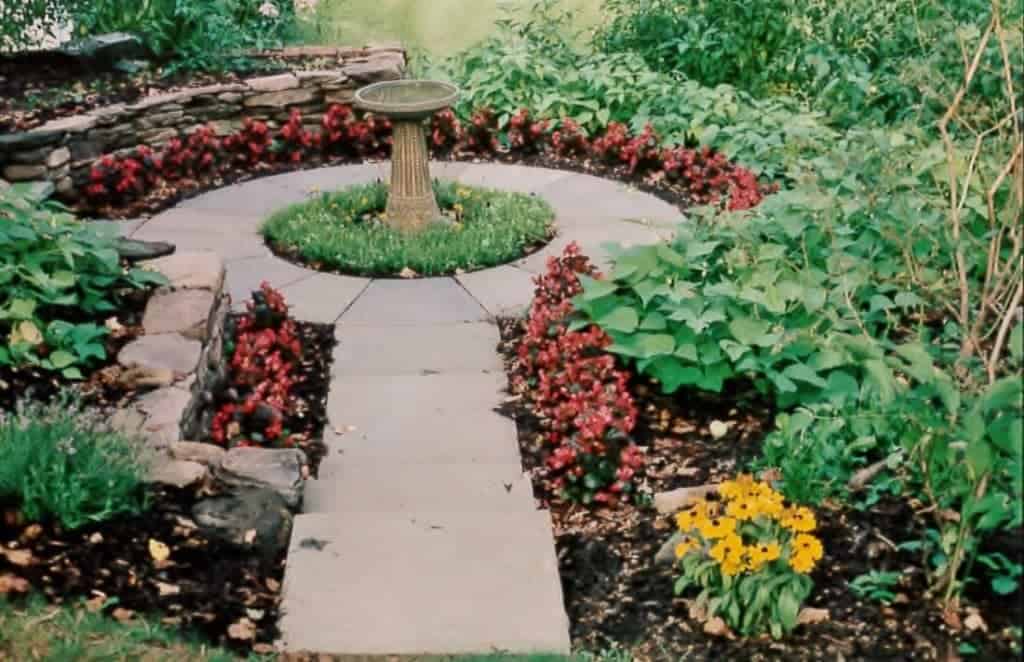
It’s April and our customers have been very busy buying and building dry-stack stone walls for their home garden projects. Dry-stack walls are an easy and inexpensive way to raise up a garden bed, build a natural looking border, or to hide undesirable looking areas around the house.

Some tips for installing a dry stack wall-

  1. Dig down 3″ to 5″ where the base of your wall will be, and level the dirt with a tamper
  2. Set a level stringline for the height of your wall
  3. Lay heavier, but somewhat flat stones as the base layer
  4. For every two pieces laid, try to span the top of them with another piece set in the middle (like bricks). This will produce a more structurally sound wall
  5. Use uneven or odd shaped stones in the middle of the wall. Use small “chinkers” to make the uneven stones level.
  6. Save your nicest flat pieces to cap the top of your wall off

A single pallet of Pa. Fieldstone or colonial stone will yield a wall approximately 12″ high by 12″ wide, and roughly 30 lineal feet long.

The below pictures are scanned photos from almost 20 years ago. They are from two separate jobs installed by the same person which turned out quite nicely.


New Pool & Spa Coping Page on Website

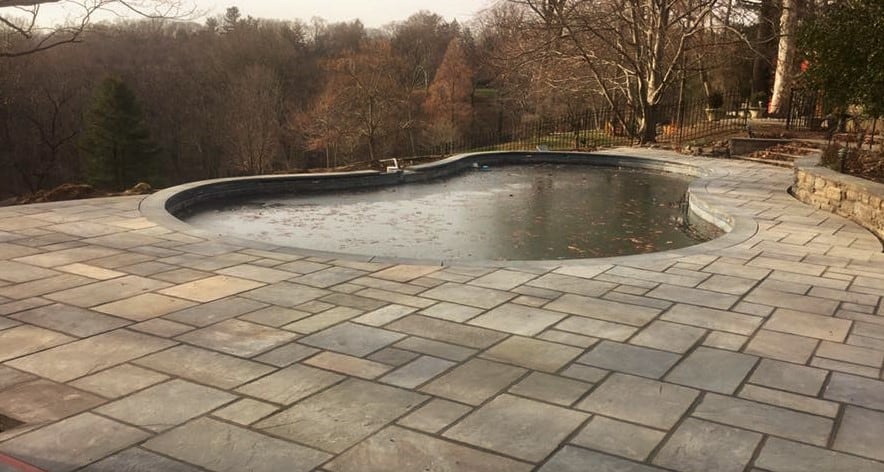
New for 2017, please check out our Pool & Spa Coping page just added to the site. We will be adding more pictures in the coming weeks. Feel free to email us any pictures you would like to share.

Take a look- https://robinsonflagstone.com/pa-flagstones/pool-spa-coping/

Pool and Spa COping

Curved Coping and Full Color Pool Deck

Full Color Patio, Walkways & Sitting Area

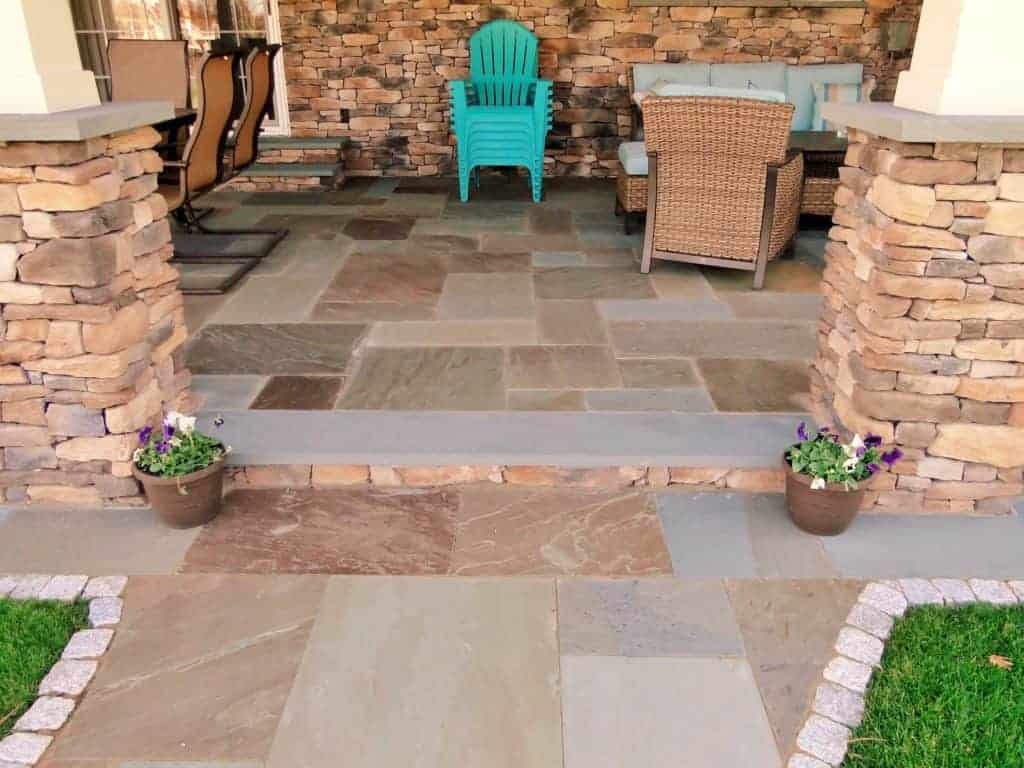
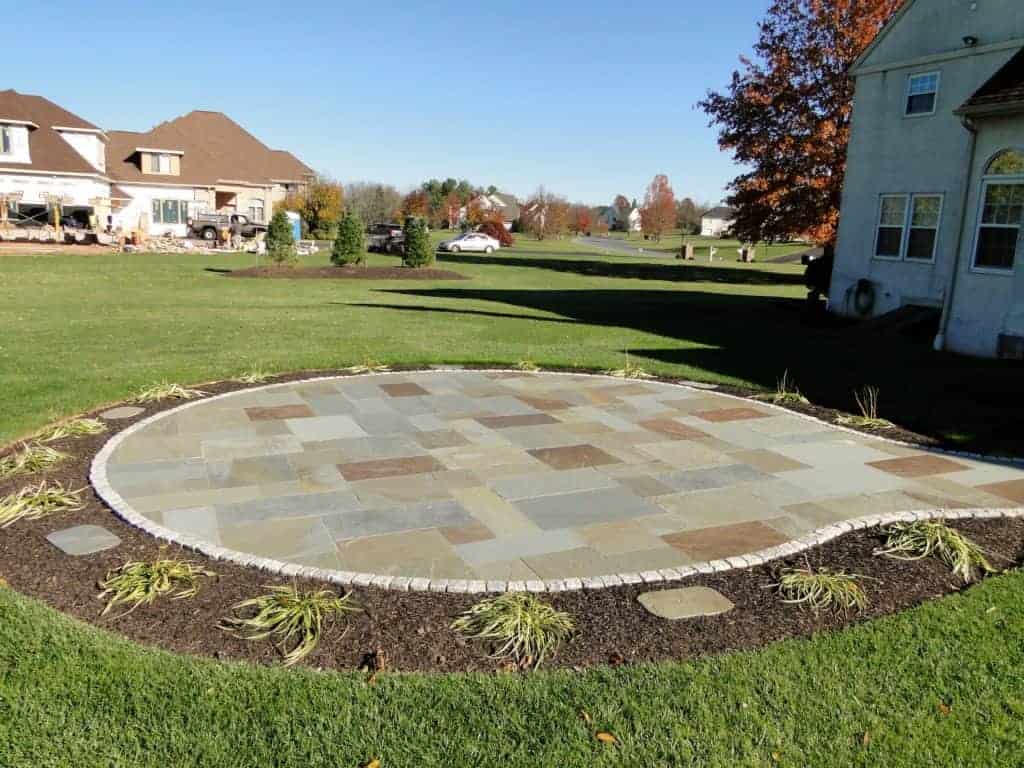
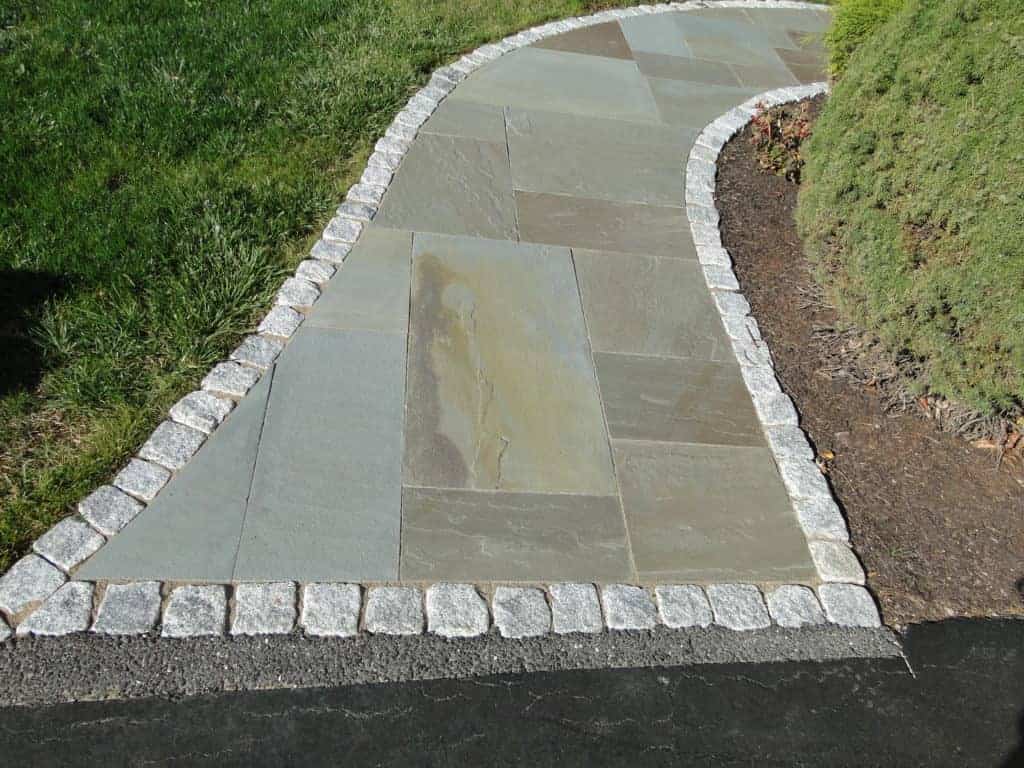
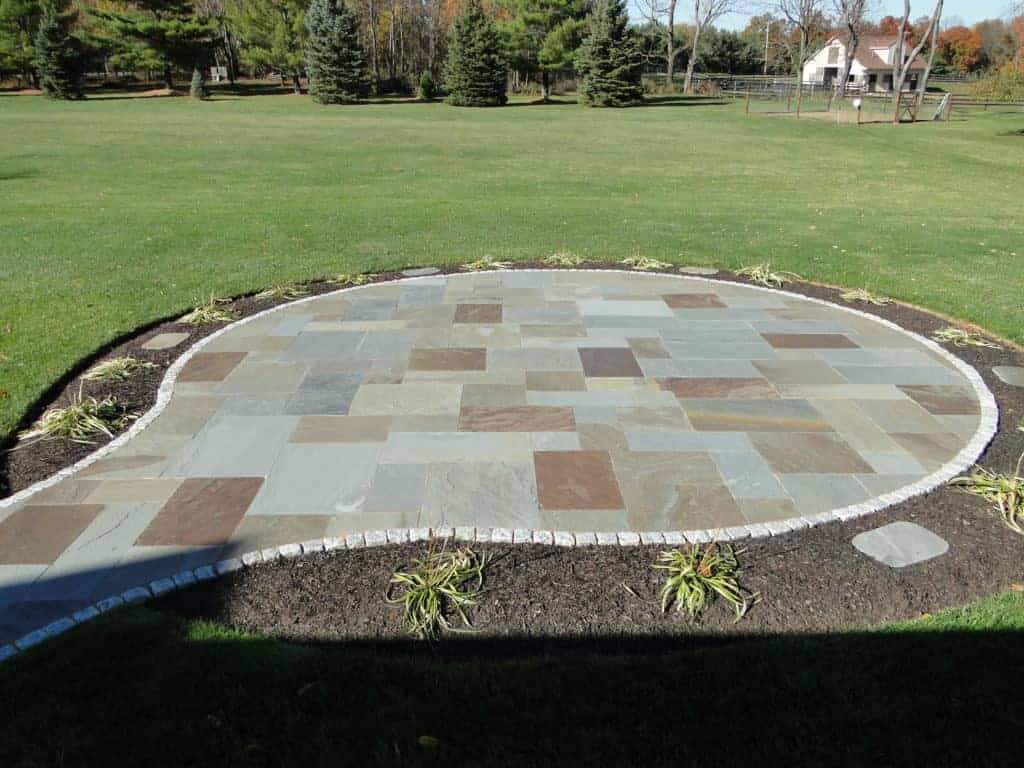
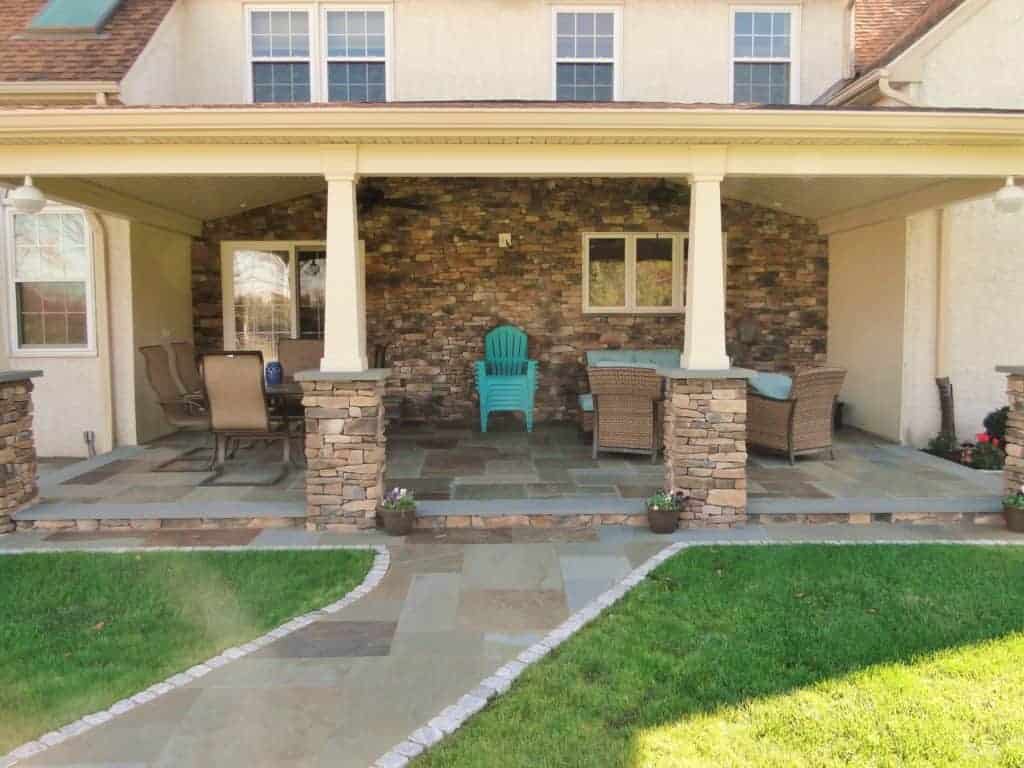
Below are pictures of a job taken at a private residence in Lansdale, Pa that was installed in the Fall of 2016. Full color range, natural cleft paving was used throughout the walkways and both terraces. At the customer’s request, the contractor connected the main terrace off the house to a very unique circular shaped patio with a belgian block border. The circular sitting area will be used as a perfect spot for the family’s fire-pit.

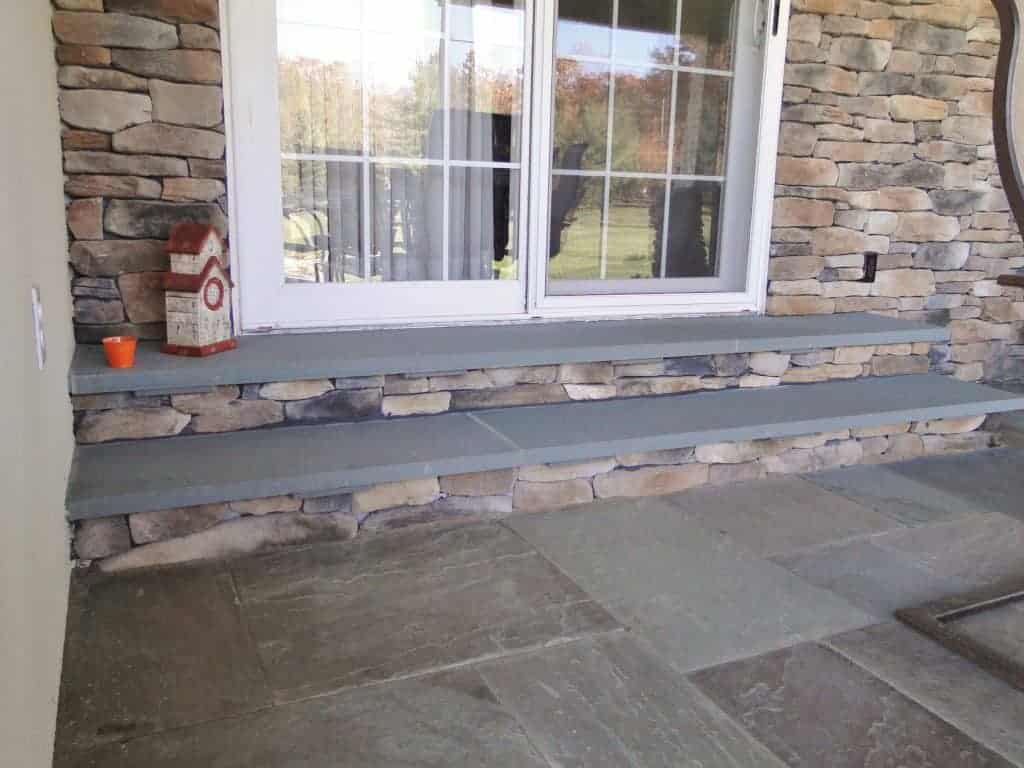
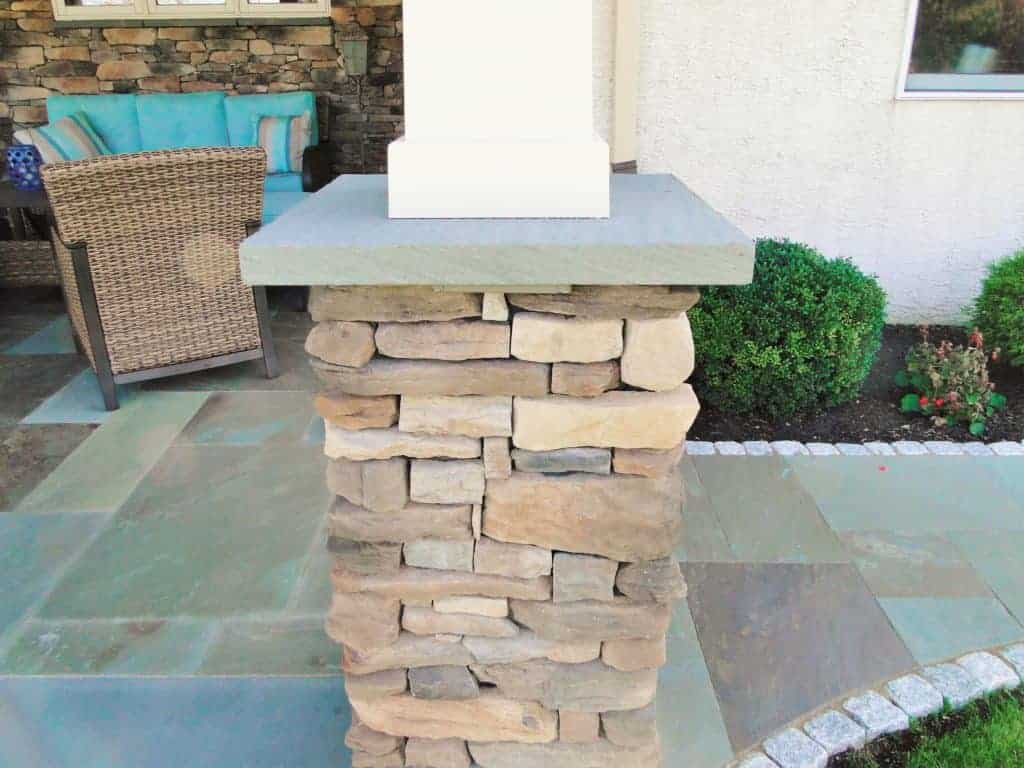
Thermal bluestone treads were used for the stairs, border treads and pier caps. Because natural cleft bluestone varies in thickness, thermal bluestone is used where there are visible exposed edges. The thermal treads and caps are a consistent thickness (on this particular job they are 1 1/2″ thick), and have flamed exposed edges. The natural cleft paving material has sawn edges that vary in thickness and isn’t always the right type of bluestone to be set in areas where the exposed edges will be highly visible. The solid bluish-gray color of the thermal bluestone contrasts nicely with the more varied colors of the full color range paving.


Bluestone Caps with Bullnosed Edges

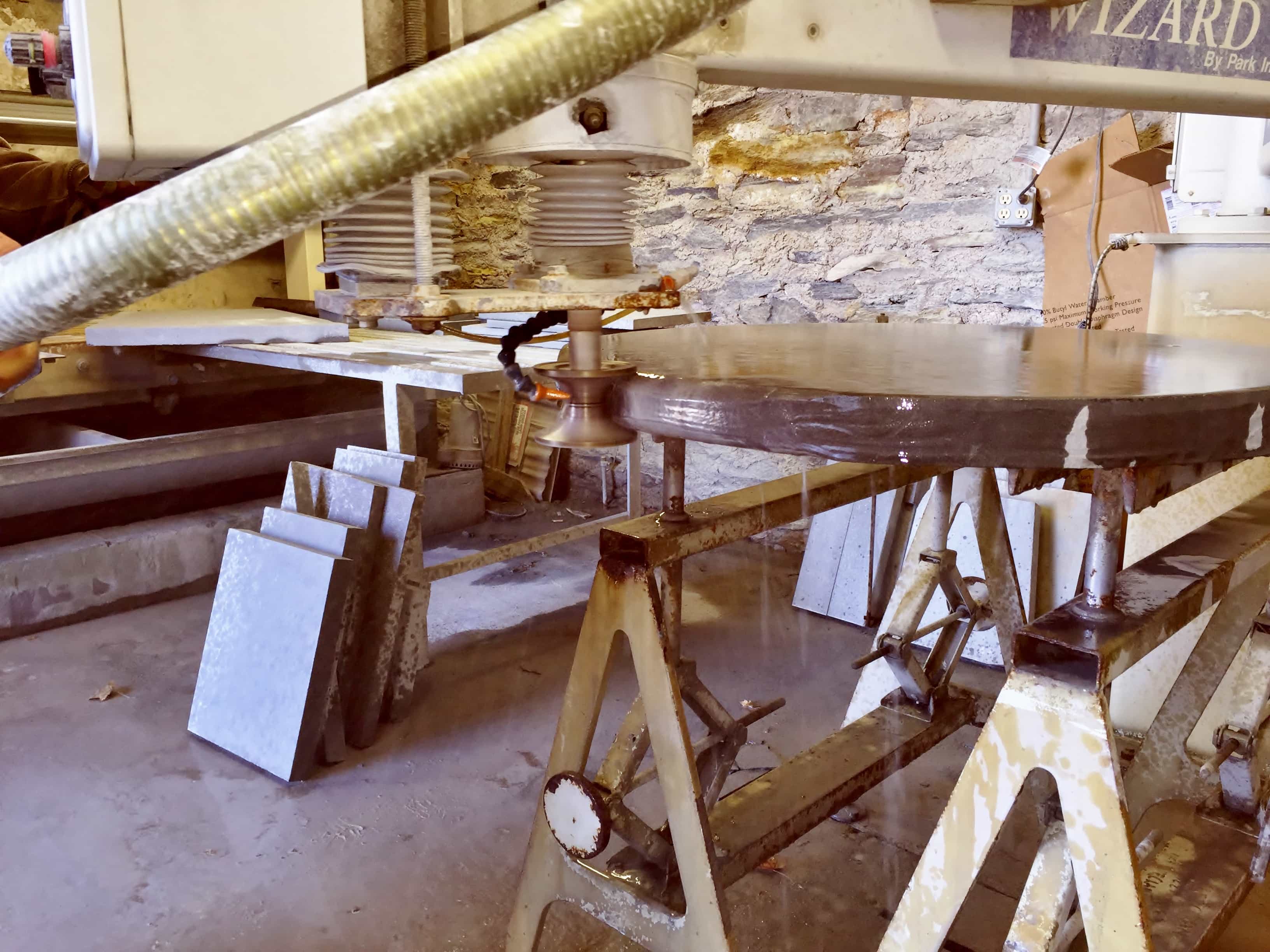
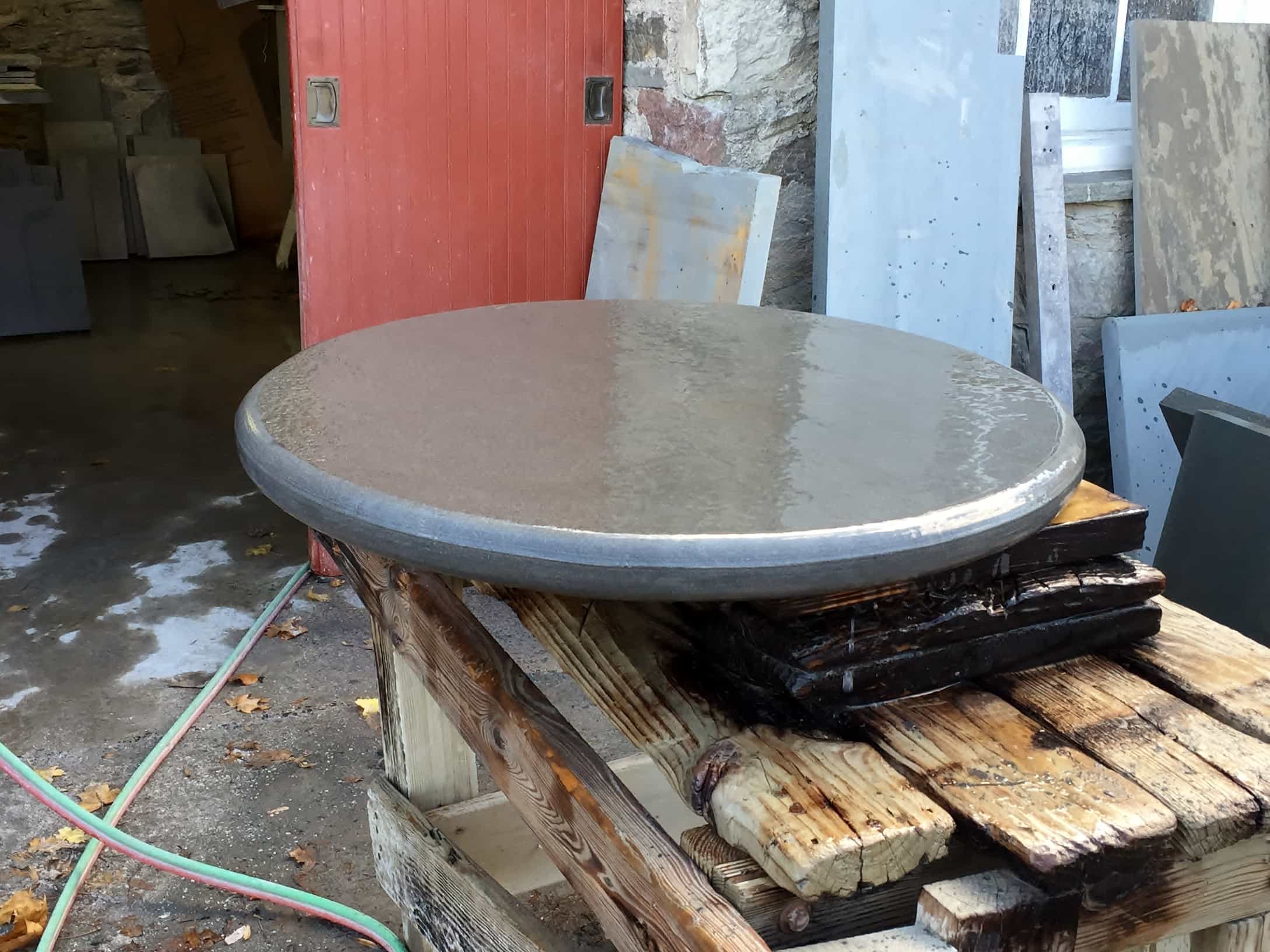
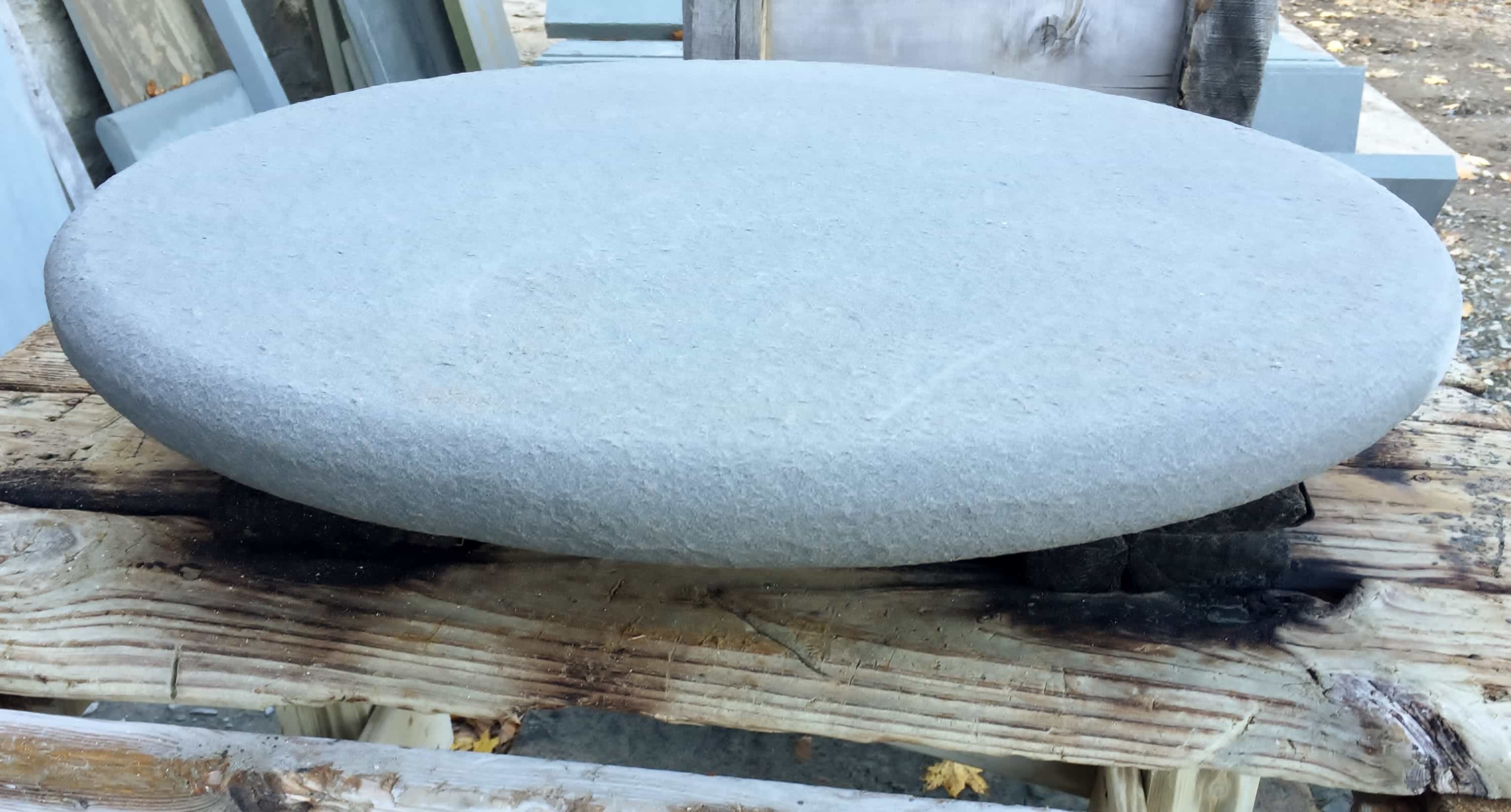
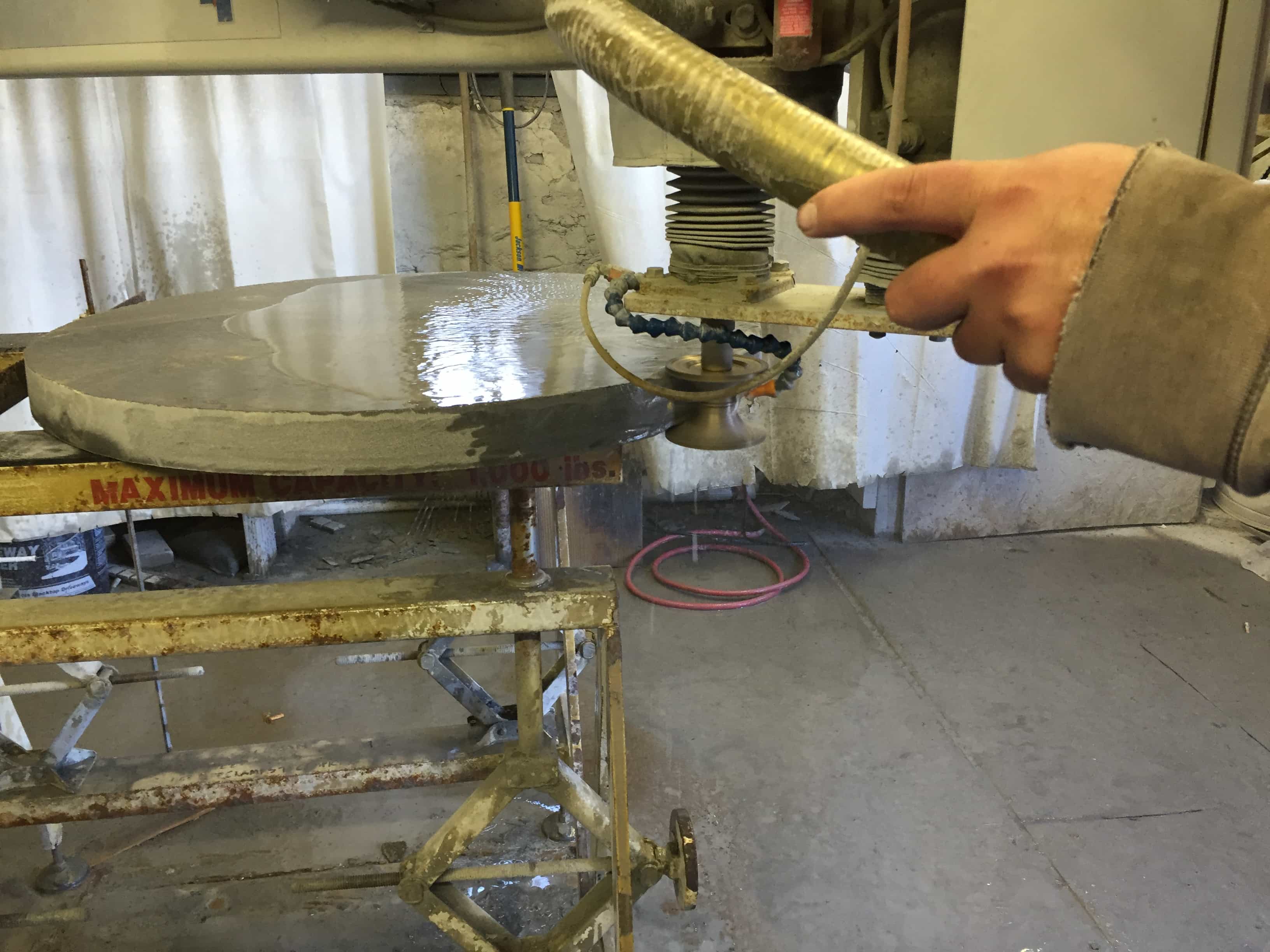
We recently fabricated some 30″ wide diameter round bluestone caps for a local customer. The rounds were used to cap piers outside of an entryway into a house.

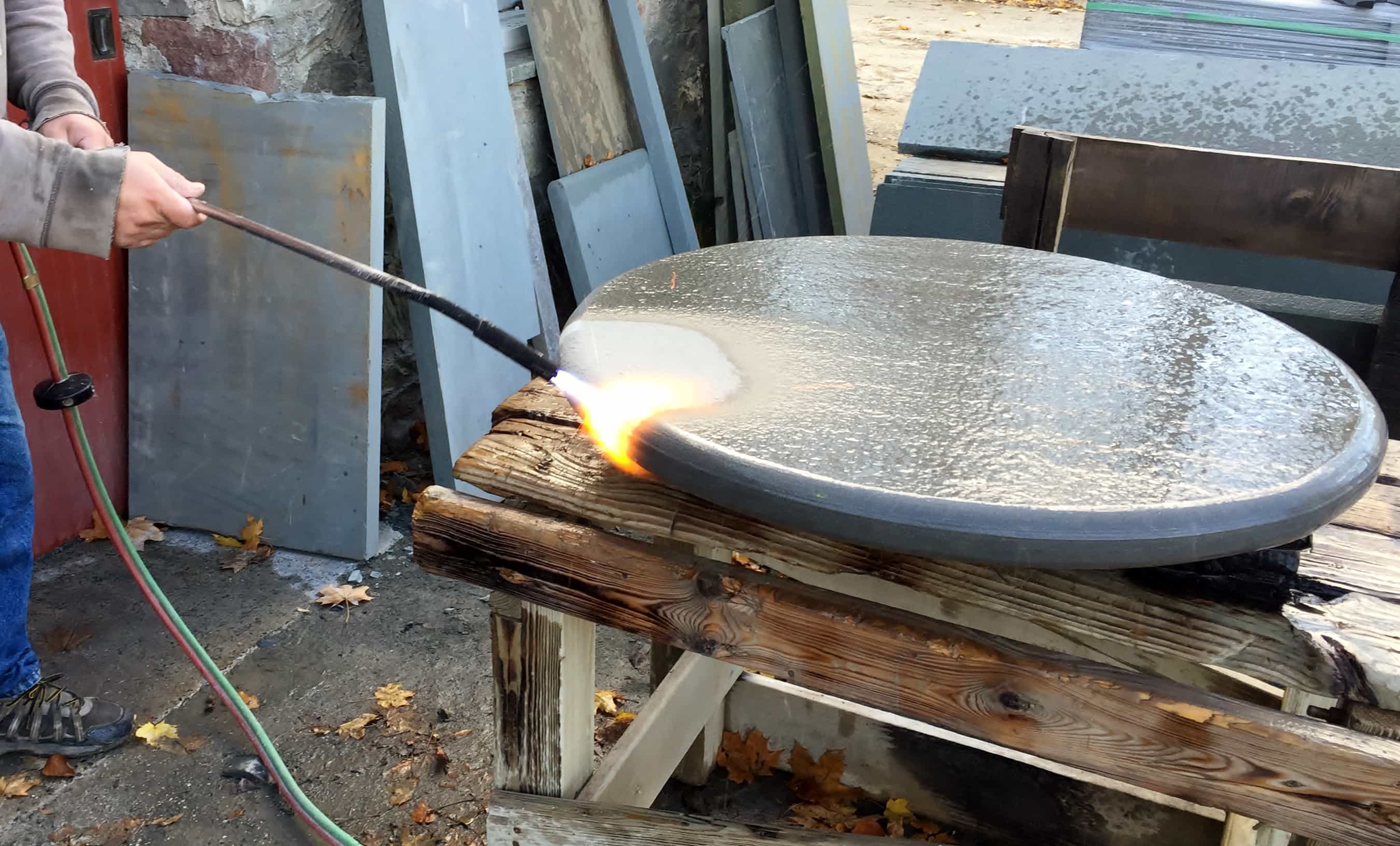
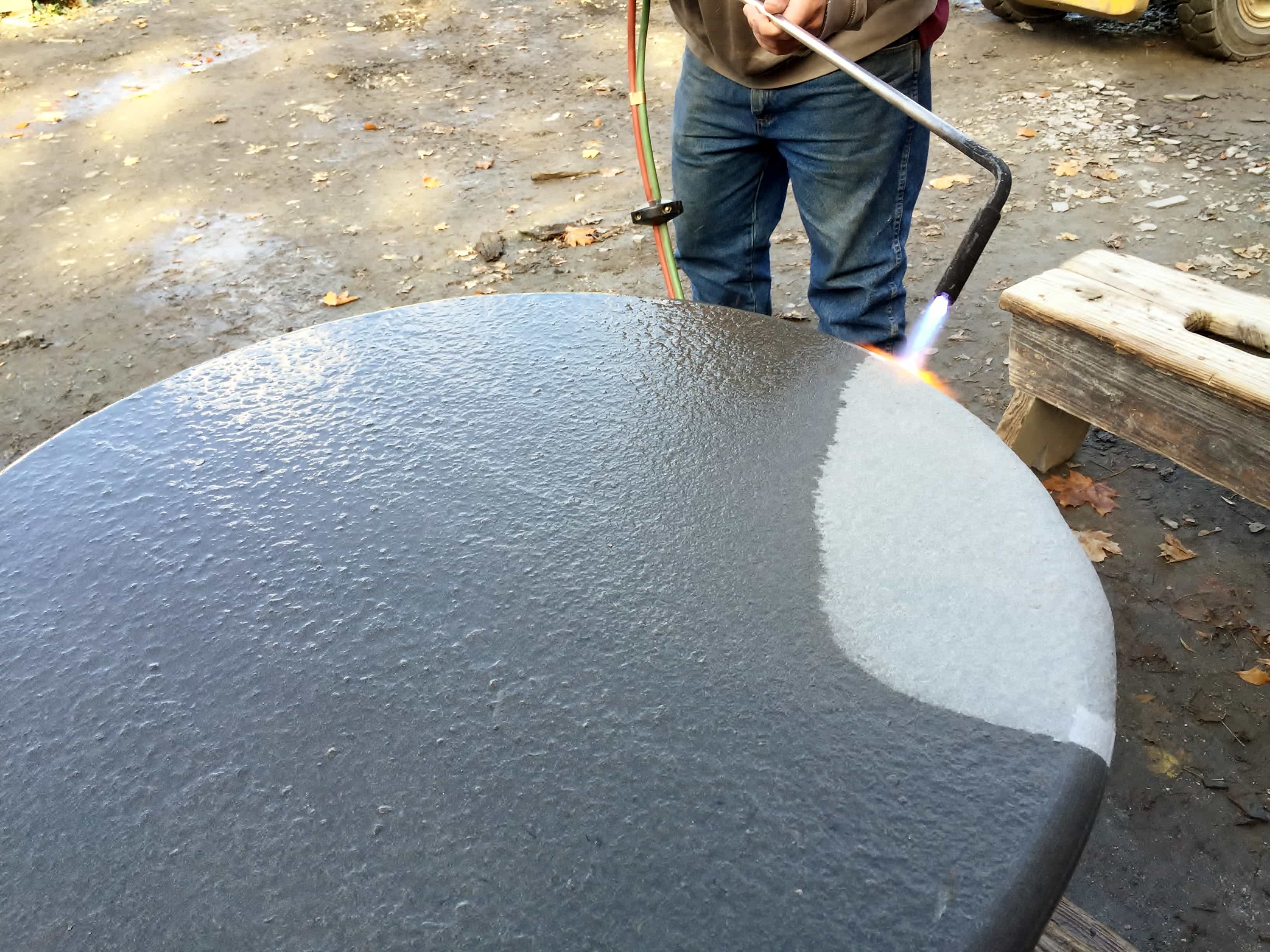
The caps came out great, and we wanted to show some of the techniques that were used to make these.

Bullnosing
Bullnosing the bluestone caps with the routing machine


Bullnosing
Bullnosing the bluestone cap with the routing machine


Roughly bullnosed cap WITHOUT flamed edges


Flaming the bullnosed edge


More Flaming/ Burning


The finished product


The Bullnosed Edge
A closer look at the bullnosed edge

Blue/ Gray Thermal Job in Baton Rouge, La


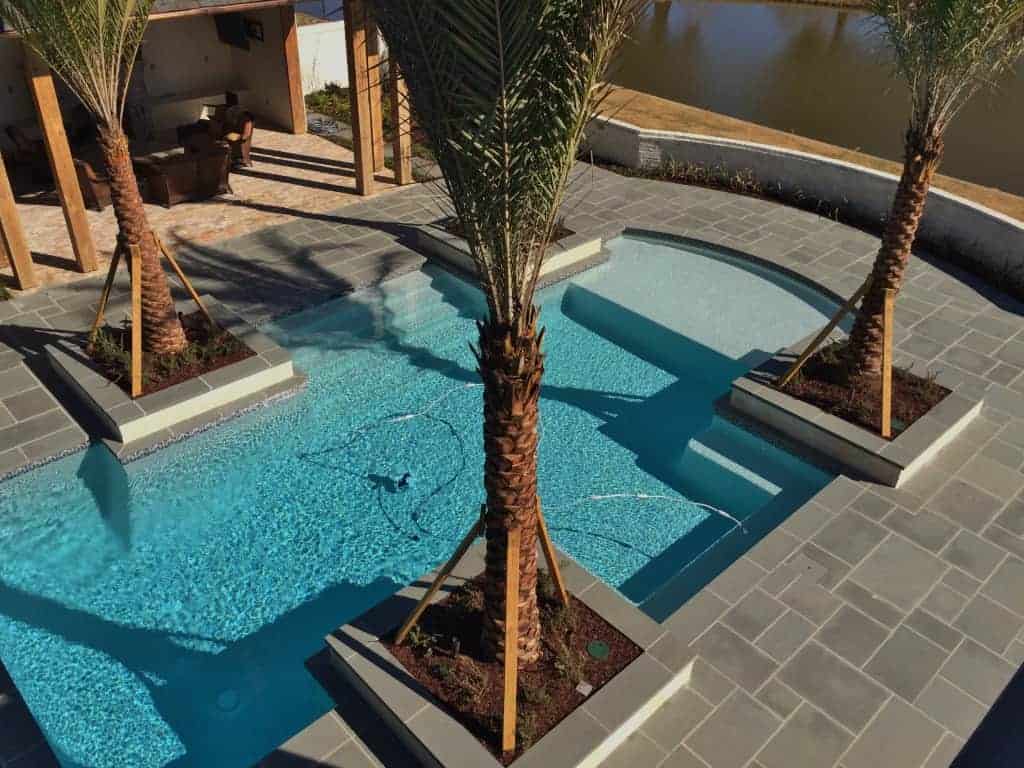
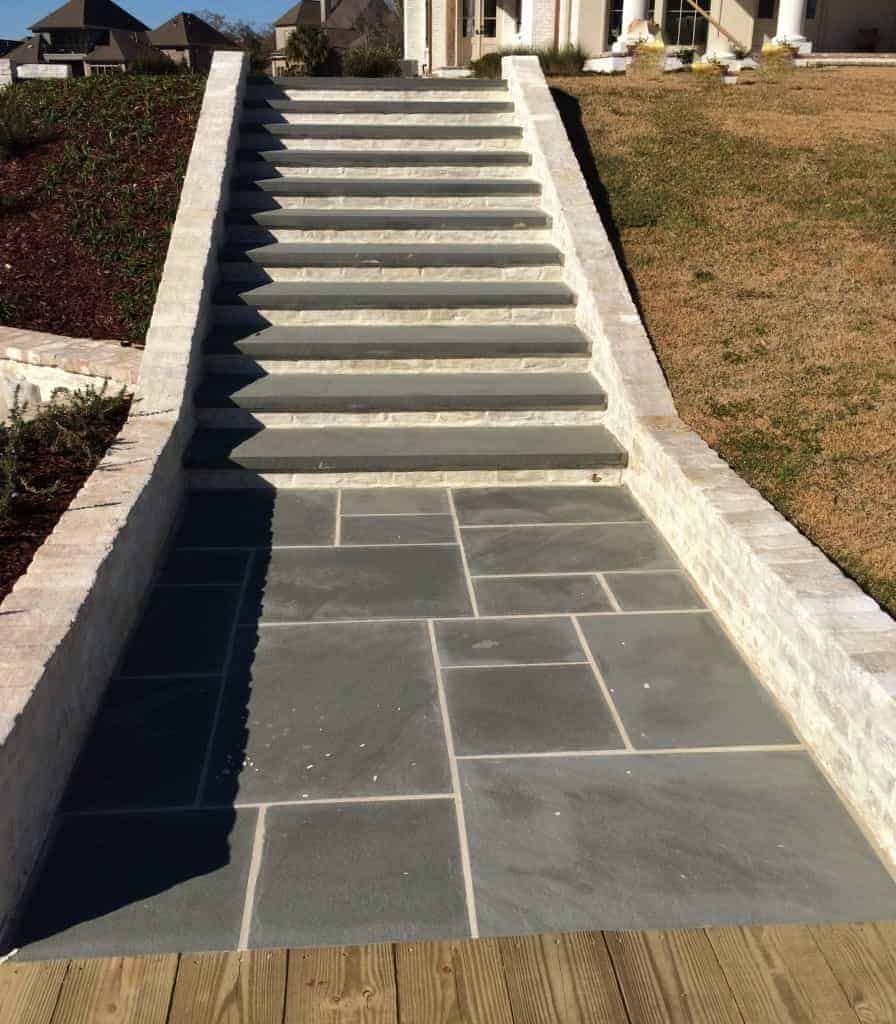
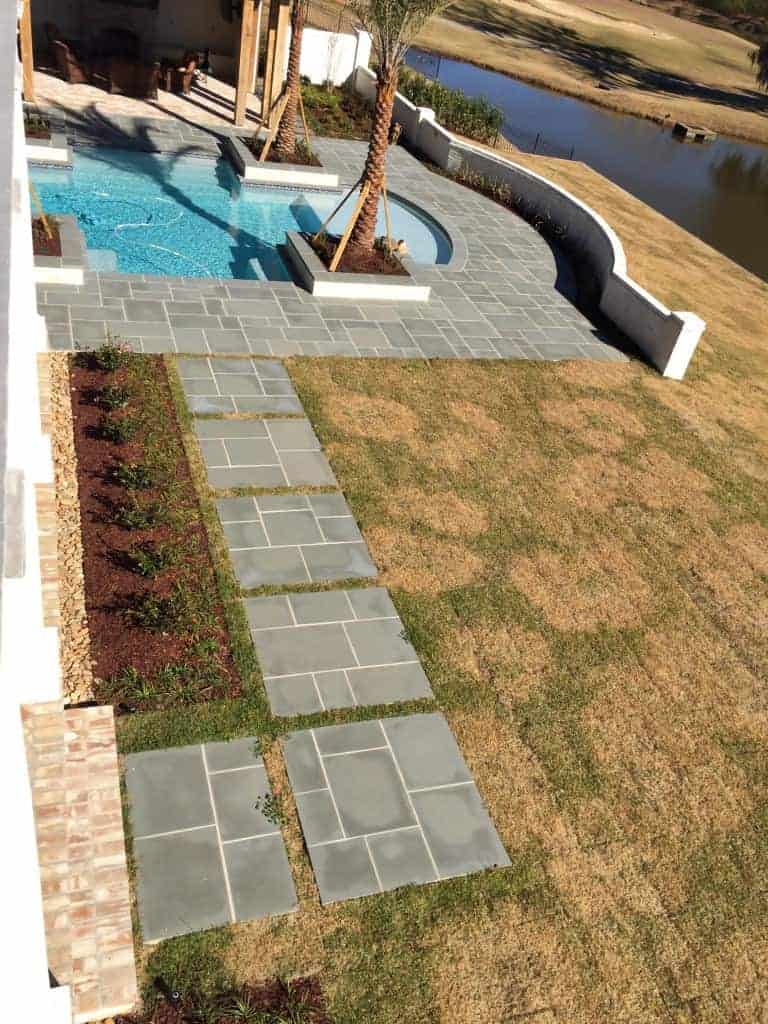
Below are pictures of a recent job at a private residence that just wrapped up in Baton Rouge, Louisiana. The landscape architect’s specifications called for 1″ thick thermal bluestone paving to be used for the walkways and pool deck, and 2″ thick thermal bluestone treads for the pool coping, planter caps , and steps. We provided our customer with a custom setting sketch which illustrated the location of each piece of stone to assist with the setting process.  This was the first of a hand-full of jobs we supplied to in Baton Rouge.